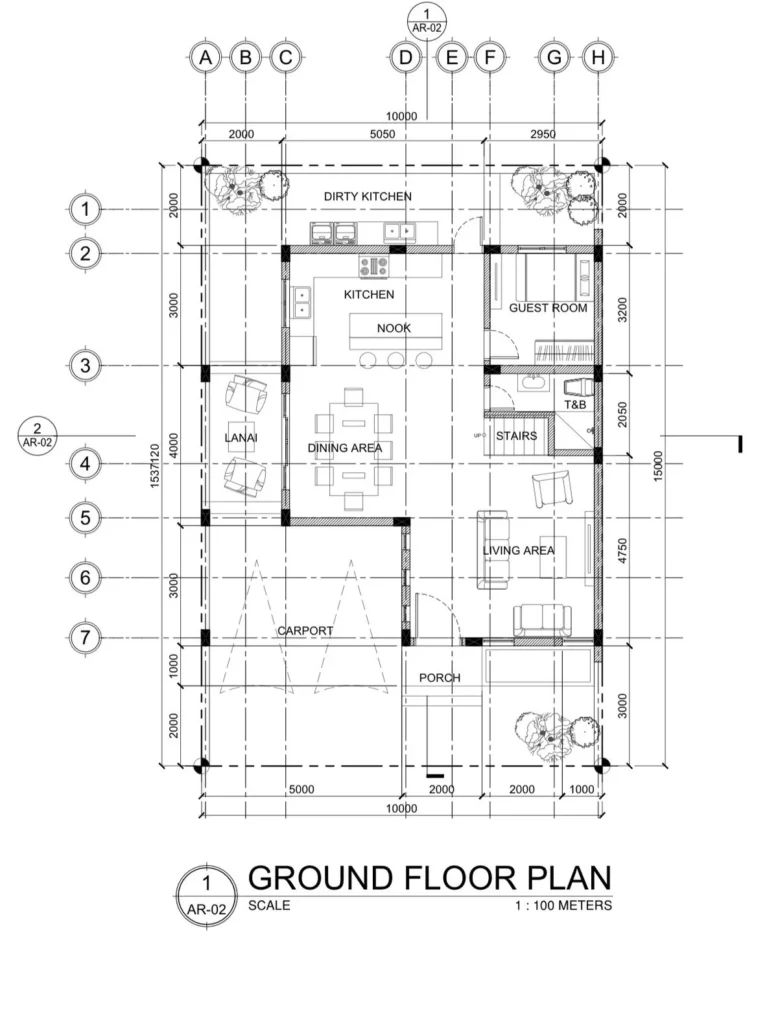
- What are schematic floor plans and how are they used?
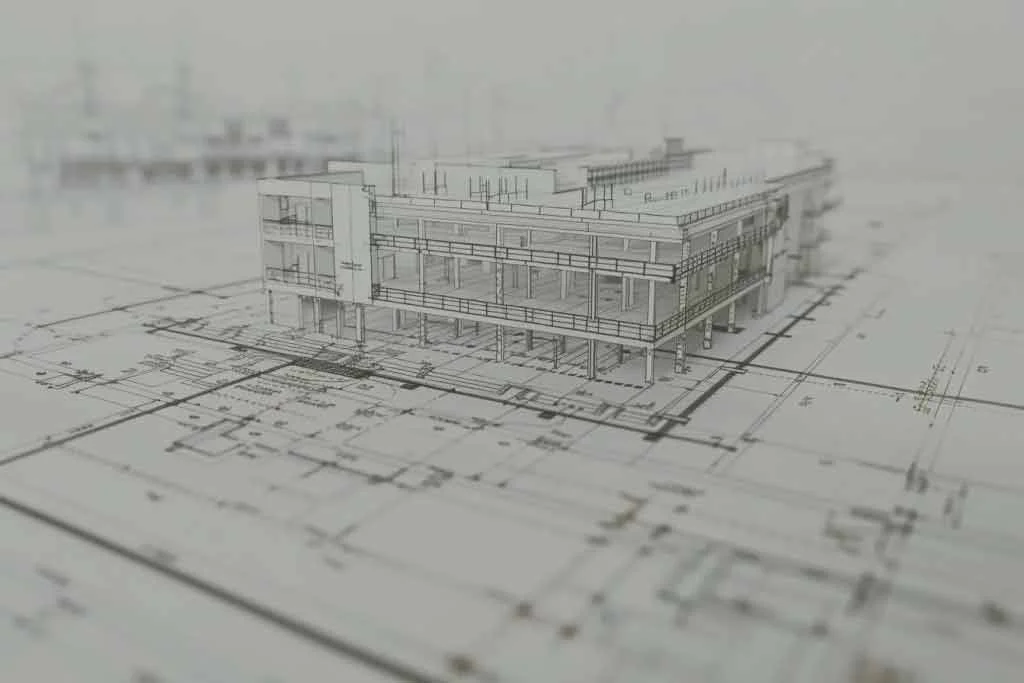
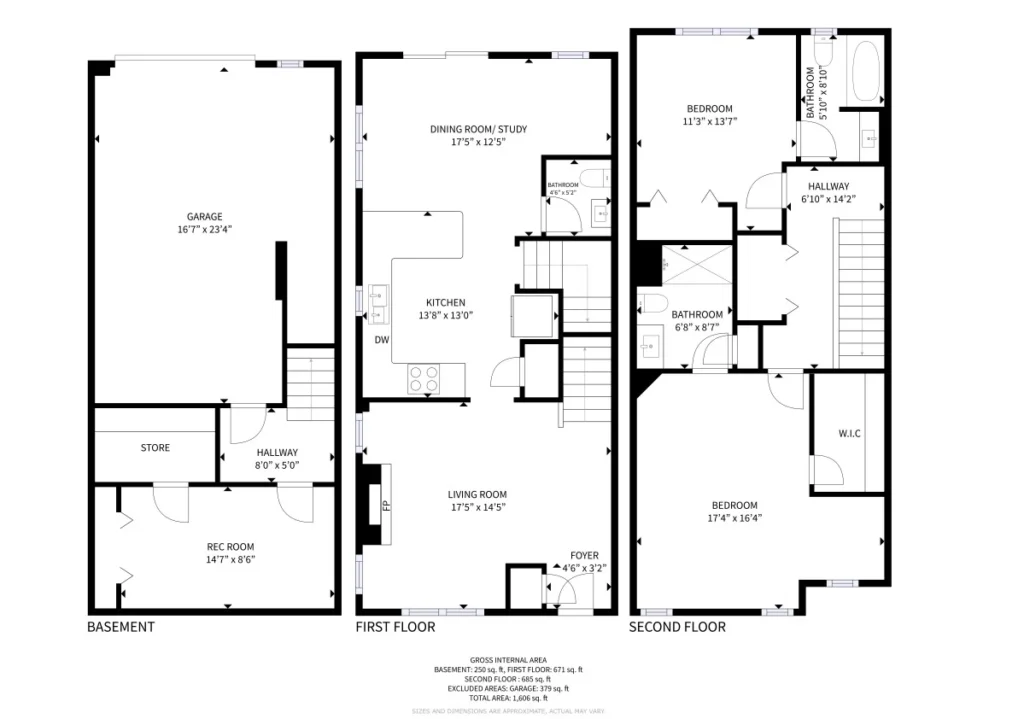
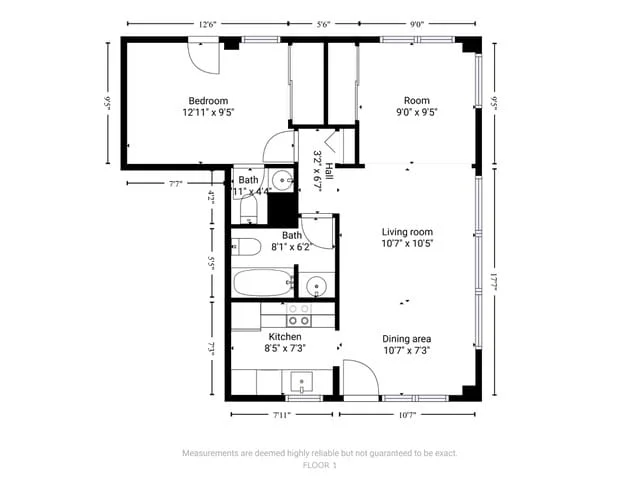
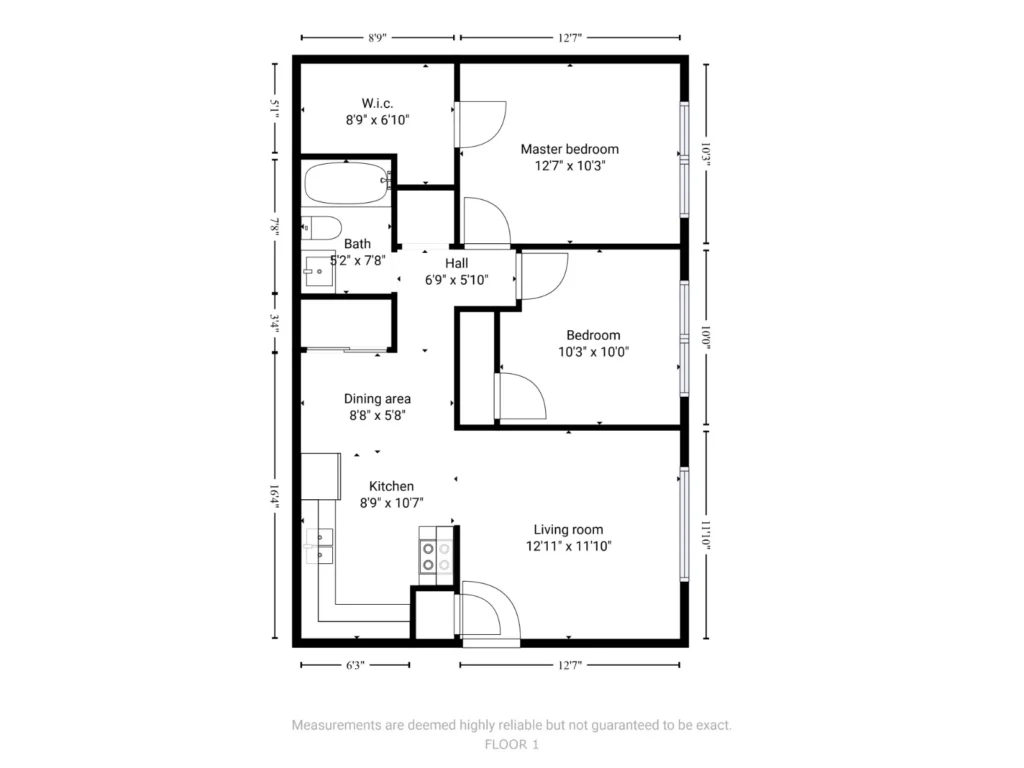
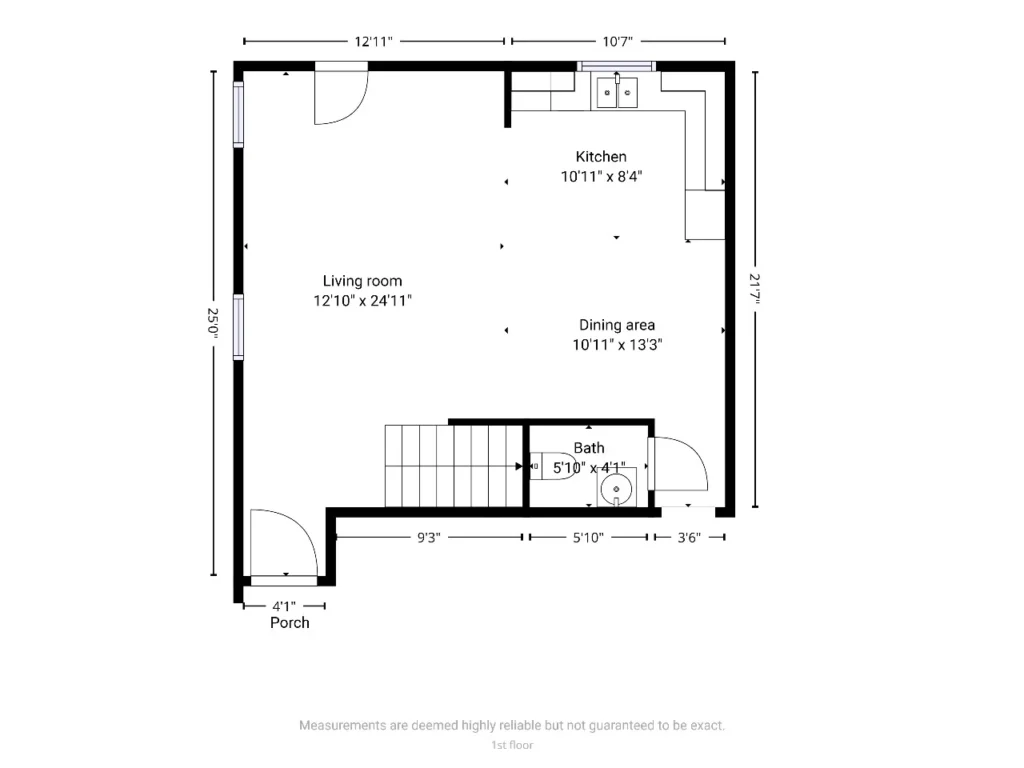
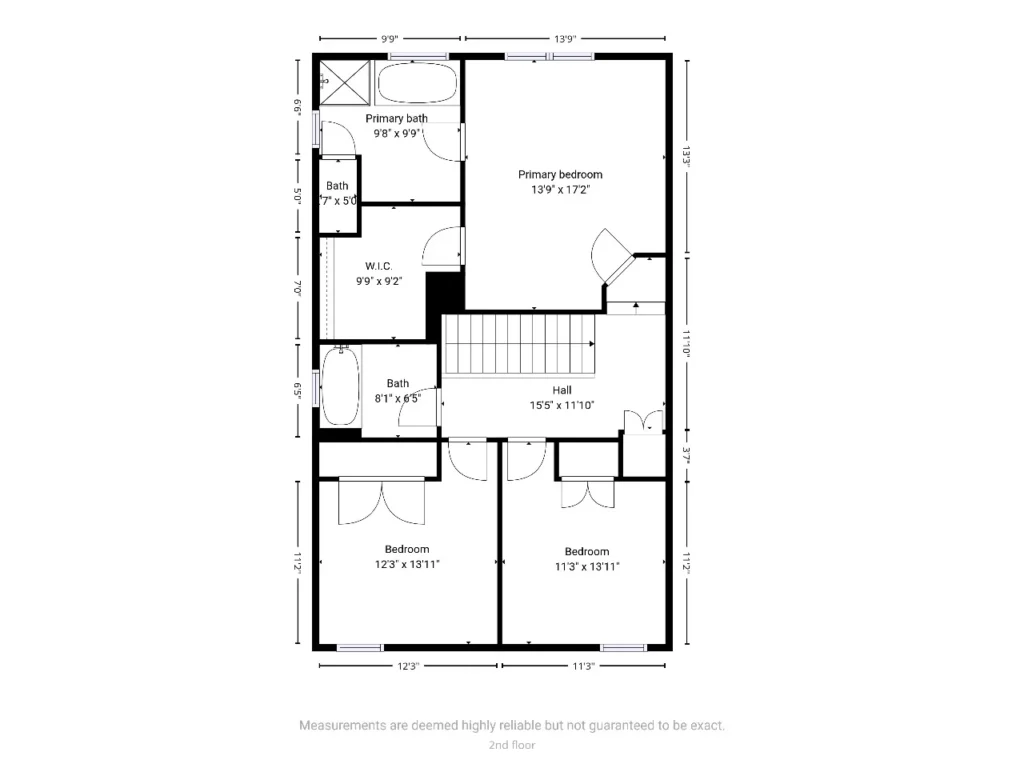
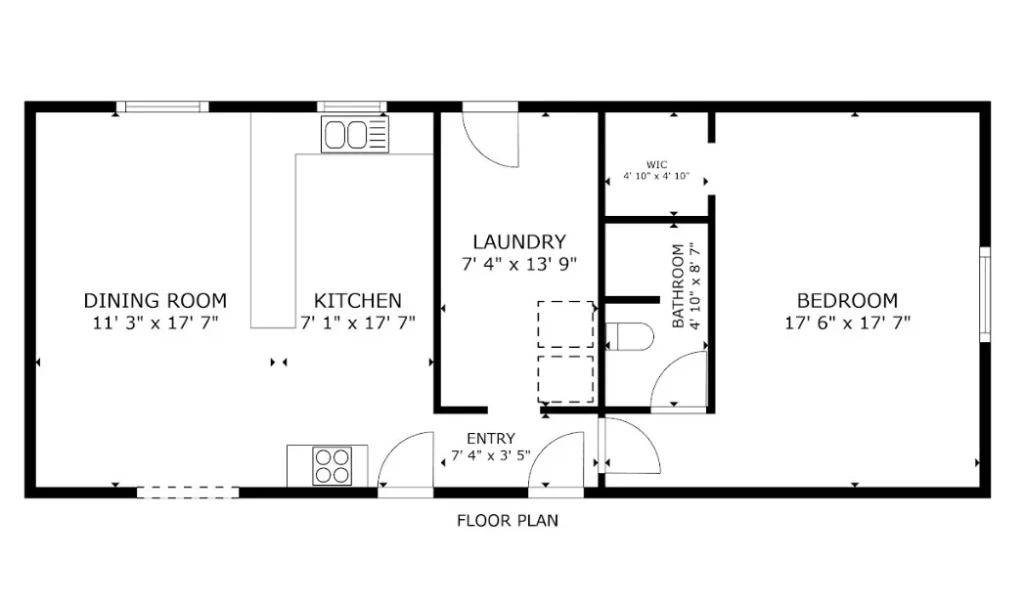
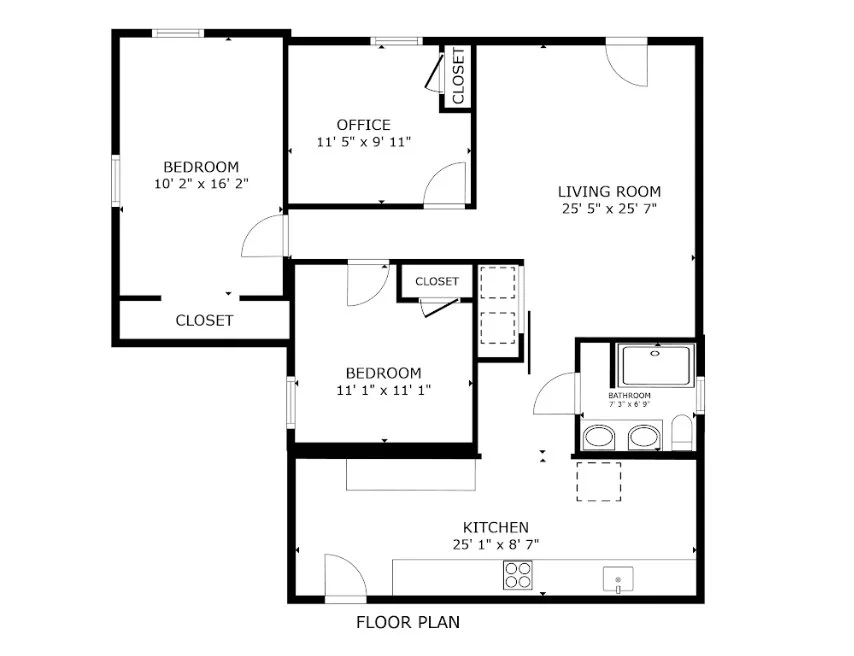
Schematic floor plans are simplified architectural drawings that represent the layout of a building without detailed structural elements. They’re used for property listings, virtual tours, insurance documentation, architectural planning, and renovation workflows. Their clarity makes them ideal for communicating space layout to clients and stakeholders.
- How do schematic floor plans integrate with the best virtual tour platforms?
Platforms like Matterport allow schematic floor plans to be layered onto immersive 3D tours, giving viewers both a visual walk-through and a clear map of the property. This combination enhances understanding, supports measurement accuracy, and improves user experience.
- Are schematic floor plans accurate enough for architectural projects?
Yes. While they’re not construction-level blueprints, architectural schematic floor plans provide precise spatial relationships suitable for early-stage planning, conceptual design, interior layout discussions, and renovation evaluations.
- Can schematic floor plans be converted into Xactimate sketches?
Absolutely. Matterport scans can be turned into matterport to xactimate sketch files, making it easy for insurance adjusters and restoration professionals to use schematic layouts for claims processing and project estimates.
- What industries benefit most from schematic floor plans?
Real estate, construction, insurance, restoration, property management, interior design, and architecture all rely heavily on schematic plans. They support clarity, documentation accuracy, and seamless project coordination.
- Do schematic floor plans support roof measurements or elevation details?
While primarily interior-focused, schematic plans can complement tools like xactimate roof sketch and Arial roof measurements PDF Document to create a full coverage digital documentation package.